Managing Daily Cash Book and Collections in Your Clinic
26 November 2026 · Nanostack HMS Team
BillingClinic ManagementAccountingHMS
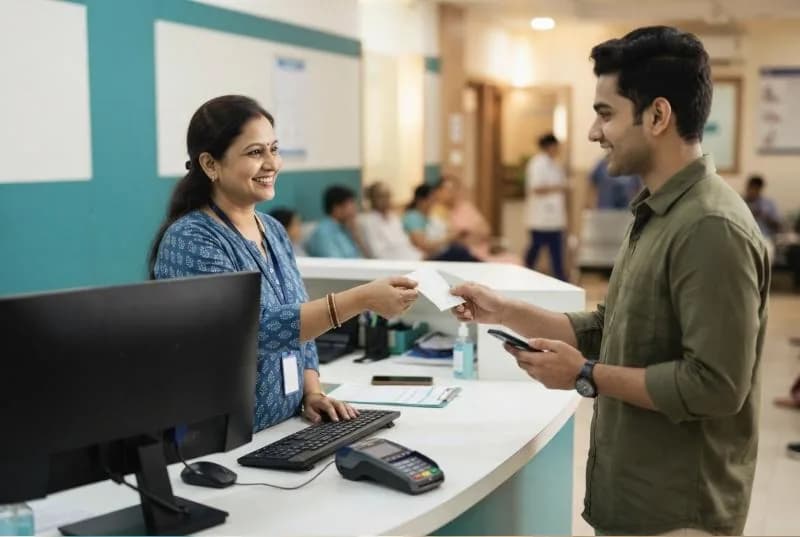
Running a busy polyclinic or nursing home involves constant cash flow throughout the day. From morning consultations and diagnostic charges to evening pharmacy sales, money changes hands across multiple counters. Without a systematic daily cash book and reconciliation process, clinic owners often face unaccounted shortages, delayed deposits, or mismanaged doctor payouts.
Keeping tight control over daily collections does not require hours of manual bookkeeping. By establishing clear counter routines and using dedicated software, you can protect your facility's revenue while keeping accounting straightforward.
Why Daily Cash Reconciliation Matters for Clinic Owners
In many Indian clinics, payments arrive in a mix of physical cash, UPI transfers, credit cards, and insurance advances. Tracking these streams manually at the end of a long day can lead to discrepancies that go unnoticed.
Preventing Daily Revenue Leakage
Small discrepancies in registration desks or billing counters may seem minor, but over a month, unrecorded discounts, cancelled receipts, or misplaced cash accumulate into significant losses. Daily auditing ensures every billing entry matches cash in hand or bank deposits.
Streamlining Doctor Commission and Payouts
When visiting consultants or resident doctors work on fee-sharing models, accurate collection records are crucial. A structured cash book helps you separate the clinic's share from doctor payouts based on actual settled bills rather than unverified receipts.
Simplifying GST and Financial Audits
At the end of the month or financial year, your accountant needs clean data. Having daily collection summaries divided into taxable revenue (like pharmacy sales or specific procedure fees) and exempt services simplifies GST filing and annual tax reporting.
Best Practices for Maintaining a Daily Cash Book
To build a robust daily cash management system, consider implementing these operational steps across all billing counters.
- Separate Cash Drawers by Counter: If your clinic operates an OPD desk, a pathology collection room, and an in-house pharmacy, ensure each counter maintains its own starting cash float and separate shift register.
- Enforce Shift-End Handovers: At the end of every morning or evening shift, staff should count the physical cash, export a daily summary, and sign off on any cash handed over to the central safe or manager.
- Track Payment Modes Explicitly: Never combine cash, UPI scans, and card transactions into a single total. Record each payment method separately so bank statement matching is fast and error-free.
- Audit Cancelled and Refunded Bills: Require administrator approval for any bill cancellation or refund. Track these in a separate daily report to avoid unauthorized adjustments.
Automating Collection Reports with Modern Software
Manual logbooks and spreadsheets take time and are prone to human errors. Using modern software like Nanostack HMS allows clinic owners to automate daily collection tracking across departments.
With integrated clinic management software, every registration, prescription bill, or lab sample entry automatically updates the central cash register in real time. Managers can view live counter balances, filter collections by doctor or payment mode, and generate daily close-out reports with a single click.
Because network interruptions can happen during peak clinic hours, modern tools provide a desktop app that works offline and syncs records seamlessly to the cloud once connectivity is restored. This ensures your billing counters never stall and your daily registers remain accurate.
Key Metrics to Check on Your Daily Dashboard
When reviewing your daily collections report each evening, focus on these critical numbers:
- Gross vs. Net Collections: Compare total billed amounts against actual payments received after valid discounts and refunds.
- Counter-wise Totals: Identify which counter handled how much cash, card, and digital transactions.
- Unsettled Balances: Monitor IPD advances, pending lab balances, or credit bills given to corporate clients.
- Doctor-wise Revenue: Review consultation counts and procedure fees collected per consultant to streamline weekly or monthly settlements.
Frequently asked questions
How should I handle digital payments like UPI in the daily cash book?
Digital transactions should be recorded under a separate payment head in your daily logbook or HMS. Verify the total UPI collections against your merchant bank settlement report at the close of business to ensure all transactions succeeded.
How can I stop cash counter discrepancies during shift changes?
Implement mandatory shift handover slips. The outgoing staff counts physical cash, prints the shift collection summary from the software, signs the slip alongside the incoming staff, and secures the verified cash in the safe.
Does software help with doctor commission calculations from daily cash?
Yes. Modern HMS platforms track payments per doctor and automatically generate commission reports based on configured percentage or fixed fee rules, saving clinic owners from manual math at the end of the month.
Ready to streamline your clinic's billing operations and track daily collections without hassle? Explore our flexible plans and pricing or book a demo with Nanostack HMS today.